
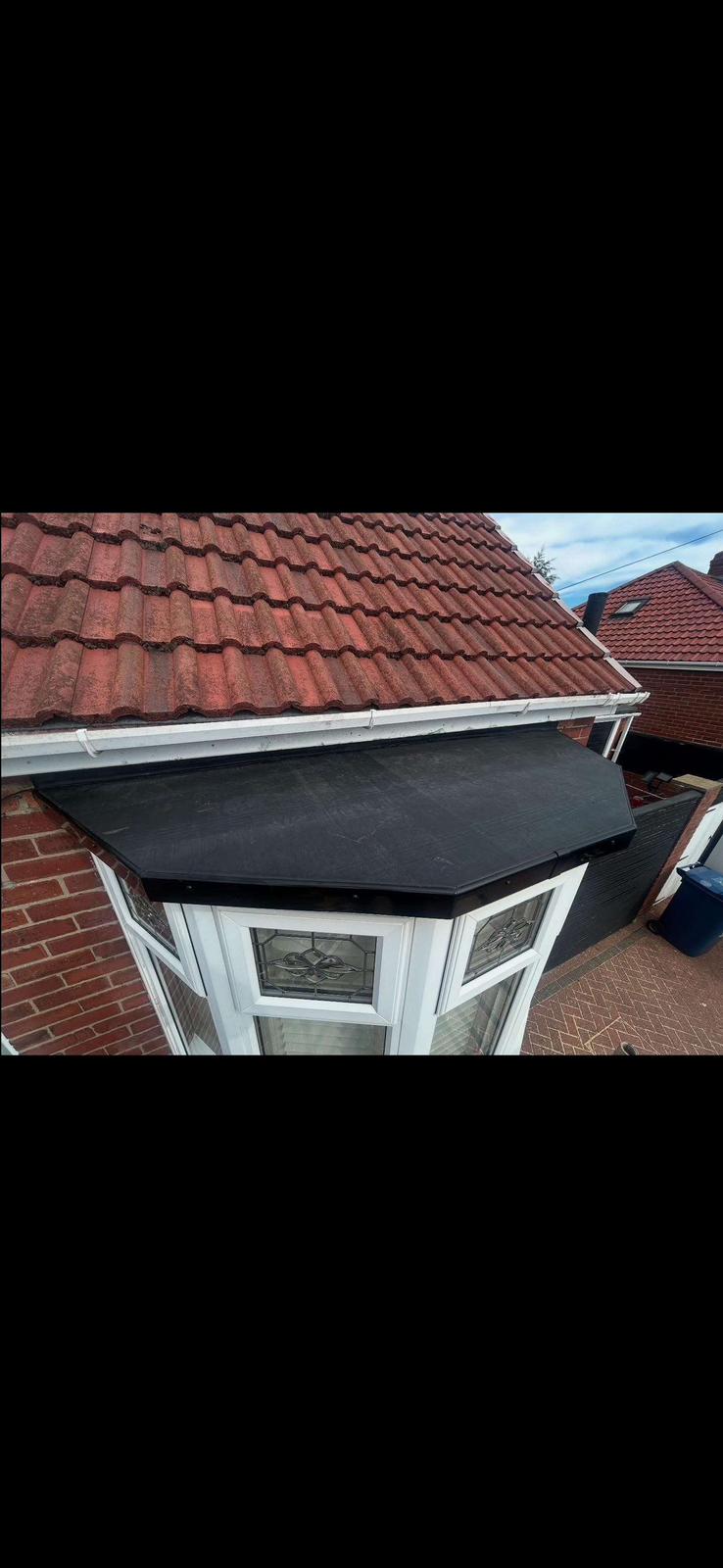
Flat Roofs County Durham
Flat Roof Solutions
That Stop LeaksPermanently
Whether your flat roof is blistering, ponding, or actively leaking, we install and repair flat roofs using modern systems that last 25+ years. EPDM, GRP, and felt — expertly fitted across County Durham.
★ EPDM & GRP certified · 10+ years experience · Manufacturer-backed warranties
Service Overview
What Are Your Flat Roof Options?
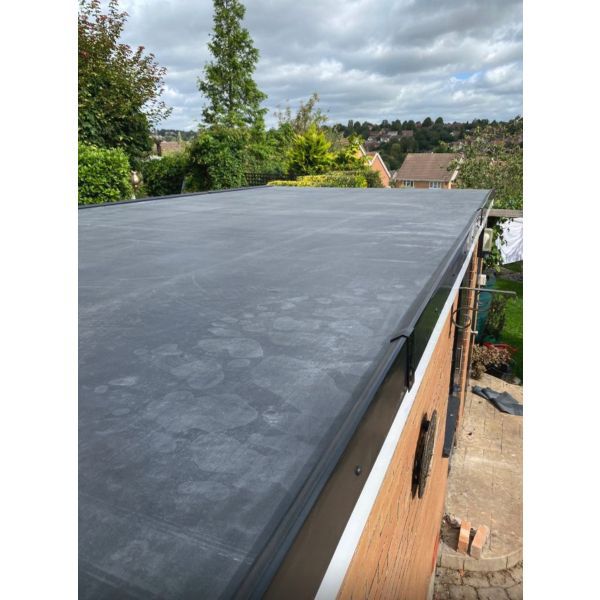
Flat roofs are a common feature on extensions, garages, dormers, porches, and commercial buildings across County Durham. When installed correctly using modern materials, a flat roof delivers 25–30+ years of reliable, maintenance-free performance. The key is choosing the right system for your property and ensuring it's installed to manufacturer specifications.
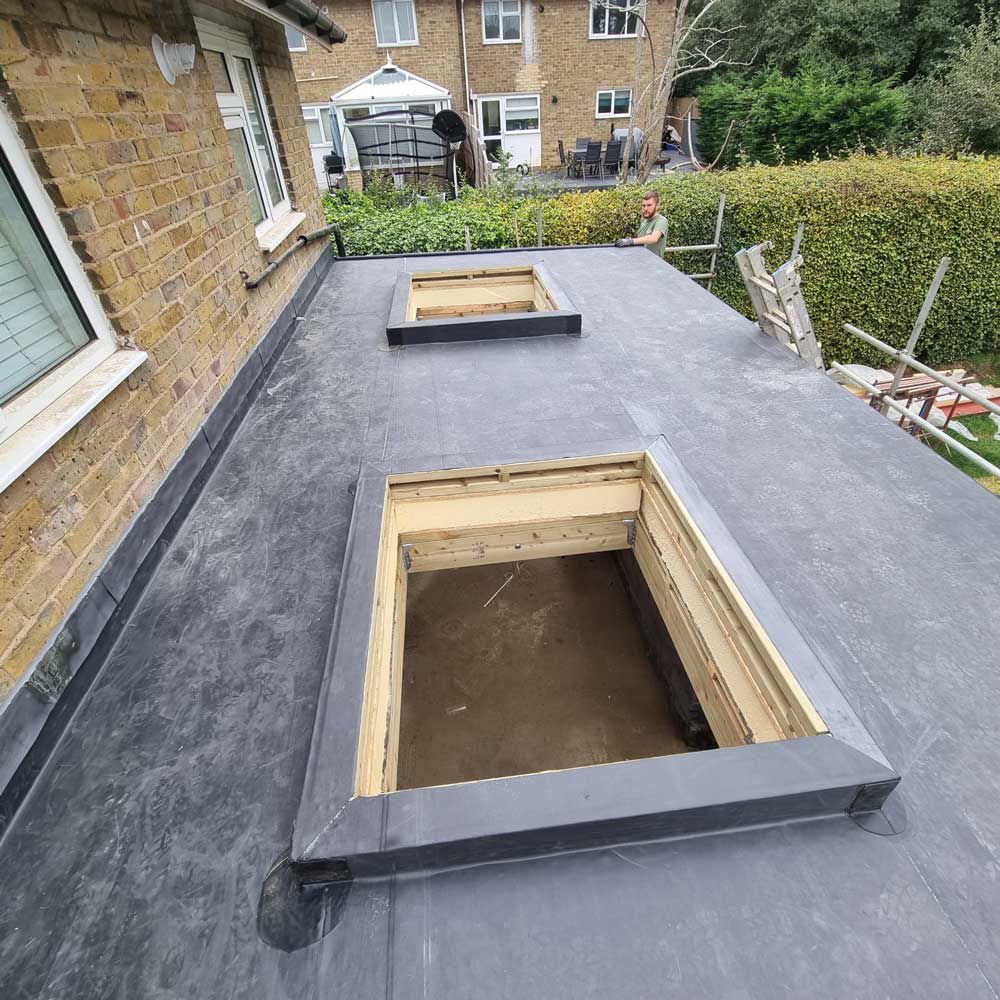
Weather Shield Roofing installs and repairs three main flat roof systems: EPDM rubber membrane, GRP (fibreglass), and high-performance torch-on felt. Each system has distinct advantages depending on the size, use, and budget of your project. We help you choose the right one and install it to the highest standard.
We also carry out flat roof repairs on all existing systems — whether that's patching a blister on an old felt roof, resealing joints on a GRP installation, or addressing ponding caused by incorrect falls. If your flat roof can be repaired rather than replaced, we'll tell you. We only recommend replacement when it's genuinely the right option.
Our flat roof services cover residential and commercial properties across Durham, Ferryhill, Coxhoe, Lanchester, and surrounding areas.
Why It Matters
What Goes Wrong With Flat Roofs — And Why
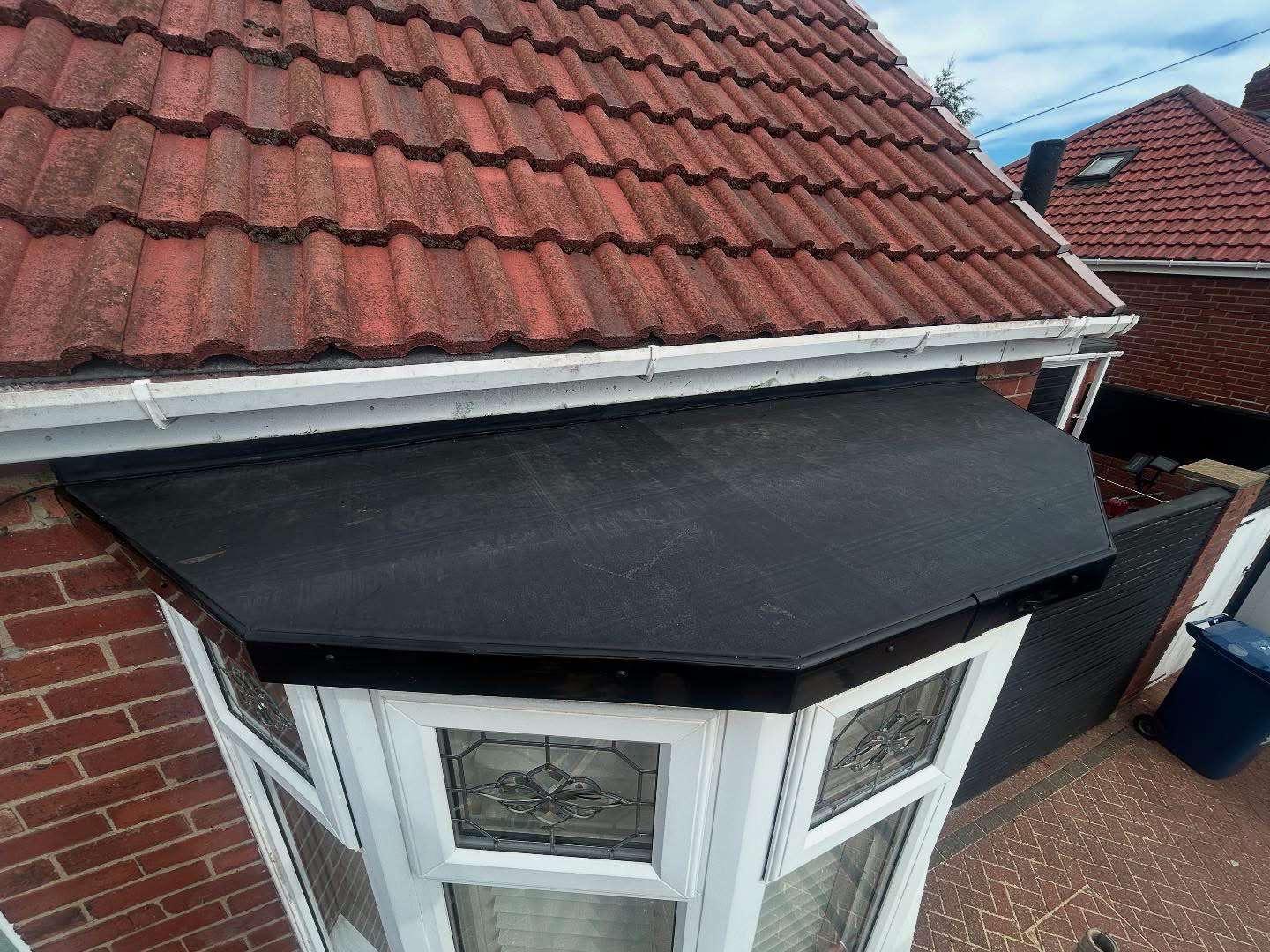
Flat roofs have historically earned a poor reputation — but that's because of outdated materials and installation methods, not the concept itself. Older felt flat roofs were designed to last 10–15 years at best. Many properties in County Durham still have original felt roofs from the 1980s and 90s that are well past their expected lifespan.
The most common flat roof problems include: blistering and cracking from UV exposure, ponding water caused by insufficient drainage falls, split seams at joints and upstands, and delamination where layers separate. Each of these issues allows water to penetrate the roof structure, leading to damp ceilings, rotting timber decks, and mould growth.
A major mistake homeowners make is applying bitumen-based patch repairs to an already failing roof. These patches are temporary at best and often trap moisture between layers, accelerating deterioration. If your flat roof is over 15 years old and showing multiple signs of wear, a modern EPDM or GRP replacement is almost always the better investment.
County Durham's rainfall levels and temperature fluctuations create particularly challenging conditions for flat roofs. Thermal expansion and contraction stresses seams and joints, while standing water from heavy rainfall tests drainage capacity. Modern systems are designed to handle these conditions — older systems simply were not.
How We Work
Our Flat Roof Installation Process
Survey & Assessment
We inspect your existing flat roof, assess the timber deck condition, check drainage falls, and measure the area. This survey is free and without obligation.
System Recommendation
Based on the survey, we recommend the most suitable system — EPDM, GRP, or felt — explaining the pros, cons, and costs of each option for your specific project.
Strip & Deck Preparation
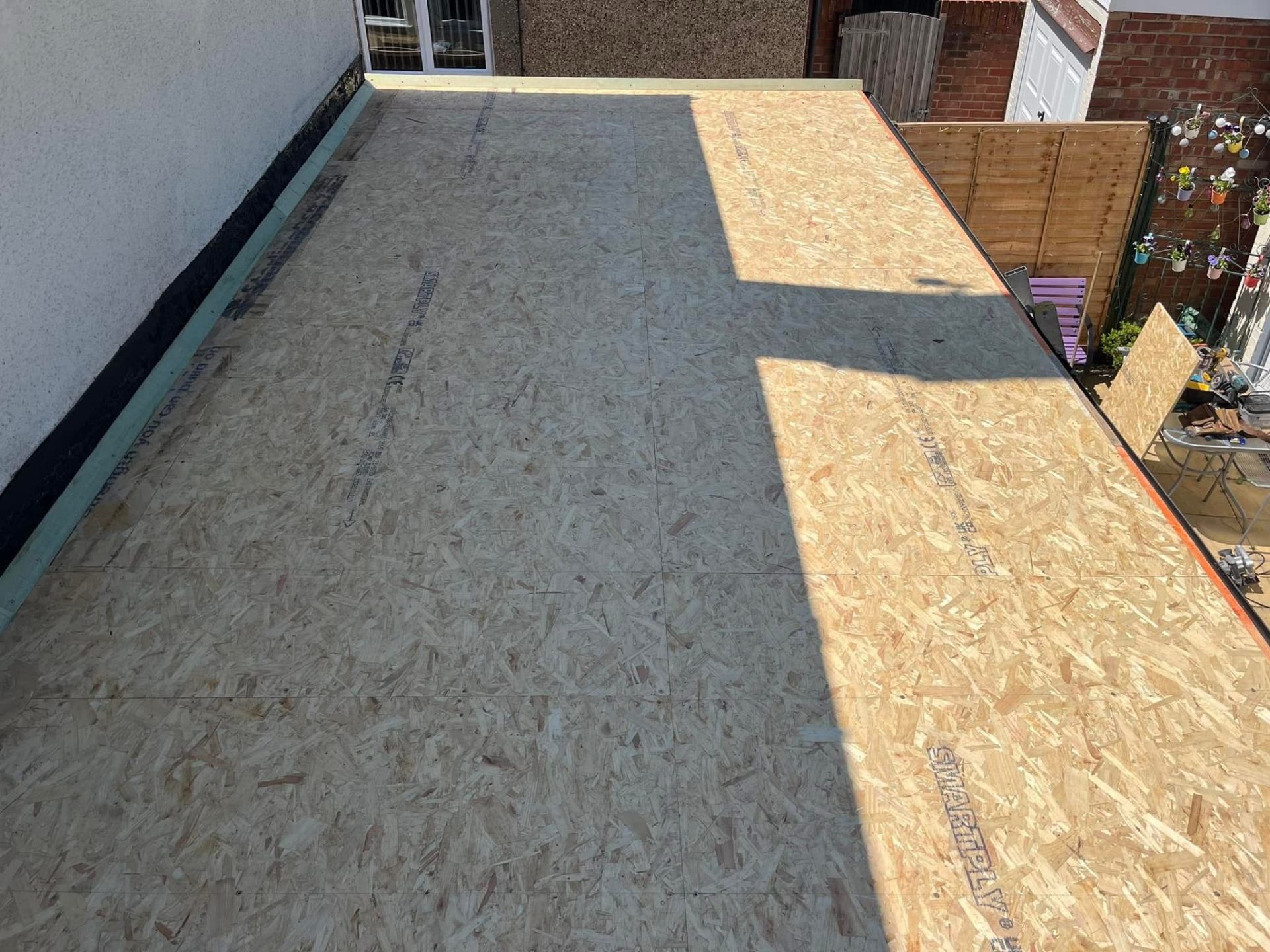
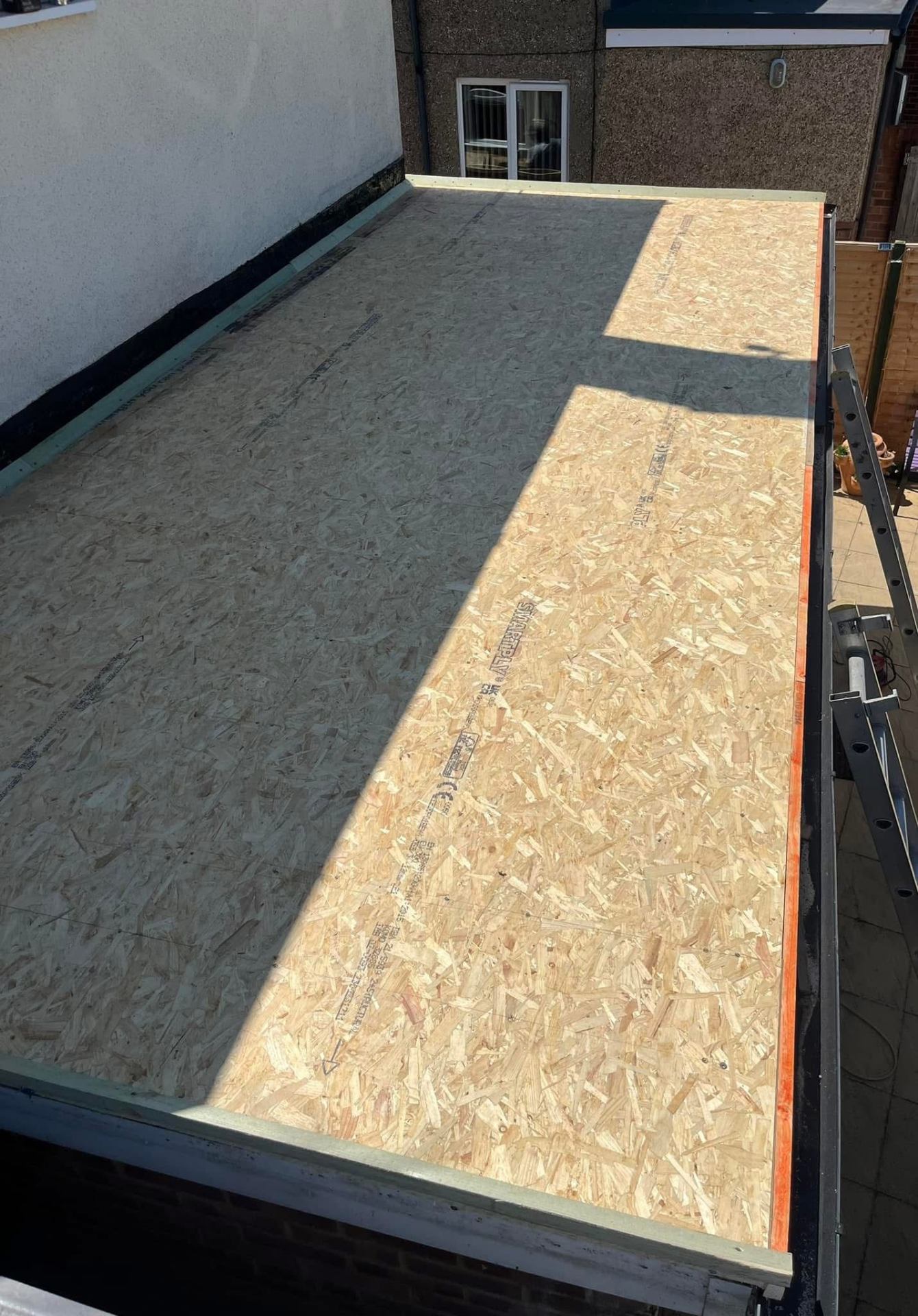
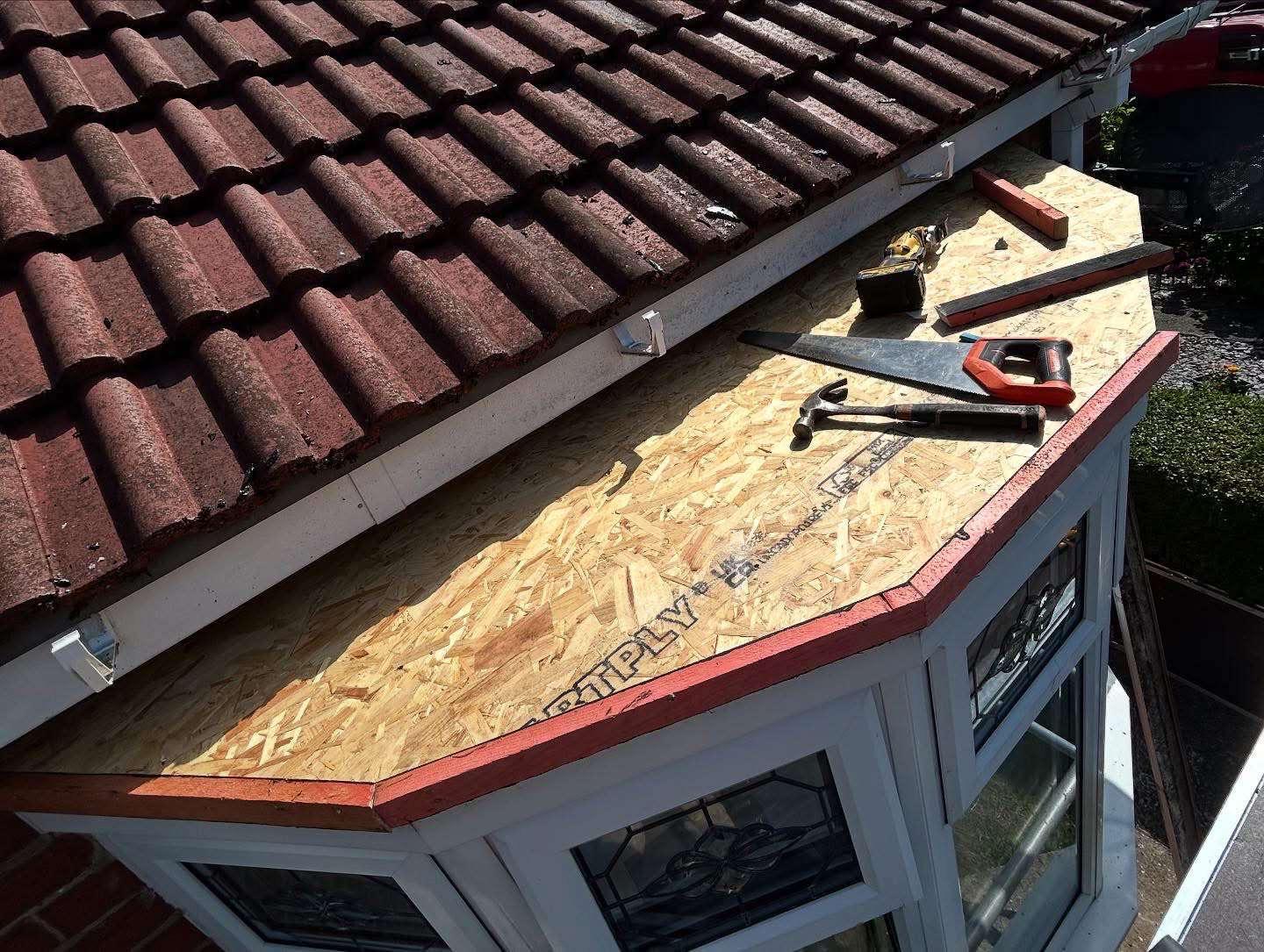
The old covering is stripped and the timber deck inspected. Any rotten or damaged boards are replaced. Falls are corrected using firring strips to ensure proper drainage.
New System Installation
Your chosen flat roof system is installed to manufacturer specifications. All edges, upstands, drip details, and penetrations are carefully formed and sealed.
Testing & Sign-Off
We inspect every detail, test drainage, and ensure the installation meets our standards and manufacturer requirements. You receive your guarantee documentation.
Your Advantages
Advantages of a Modern Flat Roof System
30+ Year Lifespan
EPDM and GRP systems last three times longer than traditional felt, eliminating the cycle of repairs every few years.
Fully Watertight
Modern systems are seamless or heat-welded, eliminating the joints and laps where traditional felt roofs fail.
Lower Lifetime Cost
Higher upfront cost than felt, but zero maintenance and a 30-year lifespan make modern systems cheaper per year.
Manufacturer Warranty
EPDM and GRP installations come with manufacturer-backed warranties — not just our workmanship guarantee.
UV & Weather Resistant
Designed to handle thermal cycling, UV exposure, and standing water without degradation.
Suitable for Foot Traffic
GRP fibreglass roofs are hard-wearing enough for regular foot traffic — ideal for balconies and accessible flat roofs.
In-Depth Guide
Flat Roof Systems Explained
EPDM Rubber Membrane
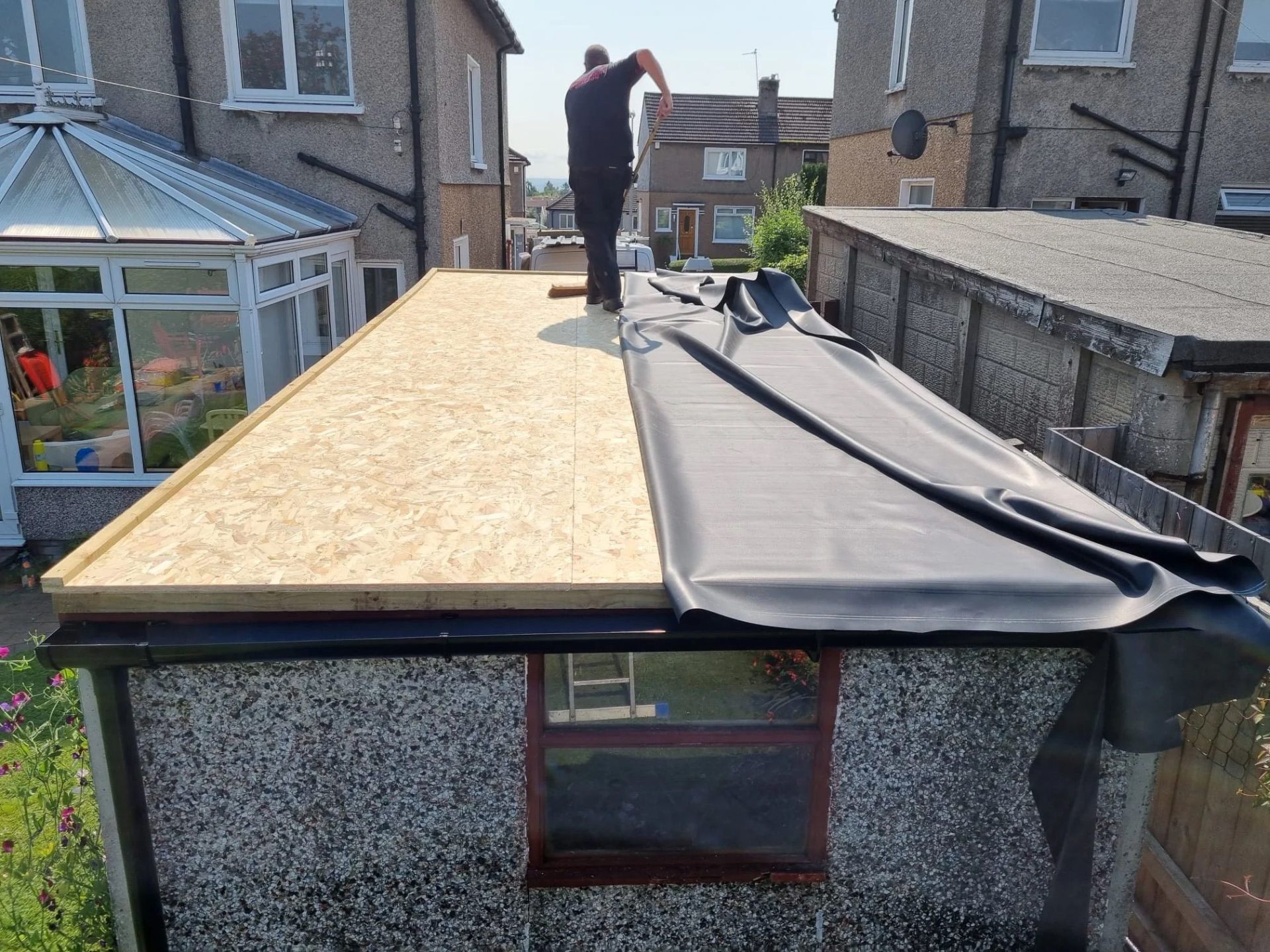
EPDM (Ethylene Propylene Diene Monomer) is a synthetic rubber membrane that's become the industry standard for residential flat roofs. Brands like Firestone RubberCover and ClassicBond offer single-piece membranes that cover entire roof areas without joints — the primary failure point of older systems. EPDM is highly flexible, UV-stable, and carries manufacturer warranties of 20–30 years. It's lightweight, bonds securely to timber decks, and performs well in all temperature ranges.
GRP Fibreglass
GRP (Glass Reinforced Polyester) creates a seamless, hard-wearing surface similar to a boat hull. The system uses layers of fibreglass matting and resin applied directly to the timber deck, forming a monolithic waterproof surface with no seams, joints, or laps. GRP is ideal for areas that receive foot traffic, such as balconies, walkways, and accessible roofs. It's extremely durable, resistant to impact damage, and available in a range of colours including tile-red and slate-grey.
Torch-On Felt
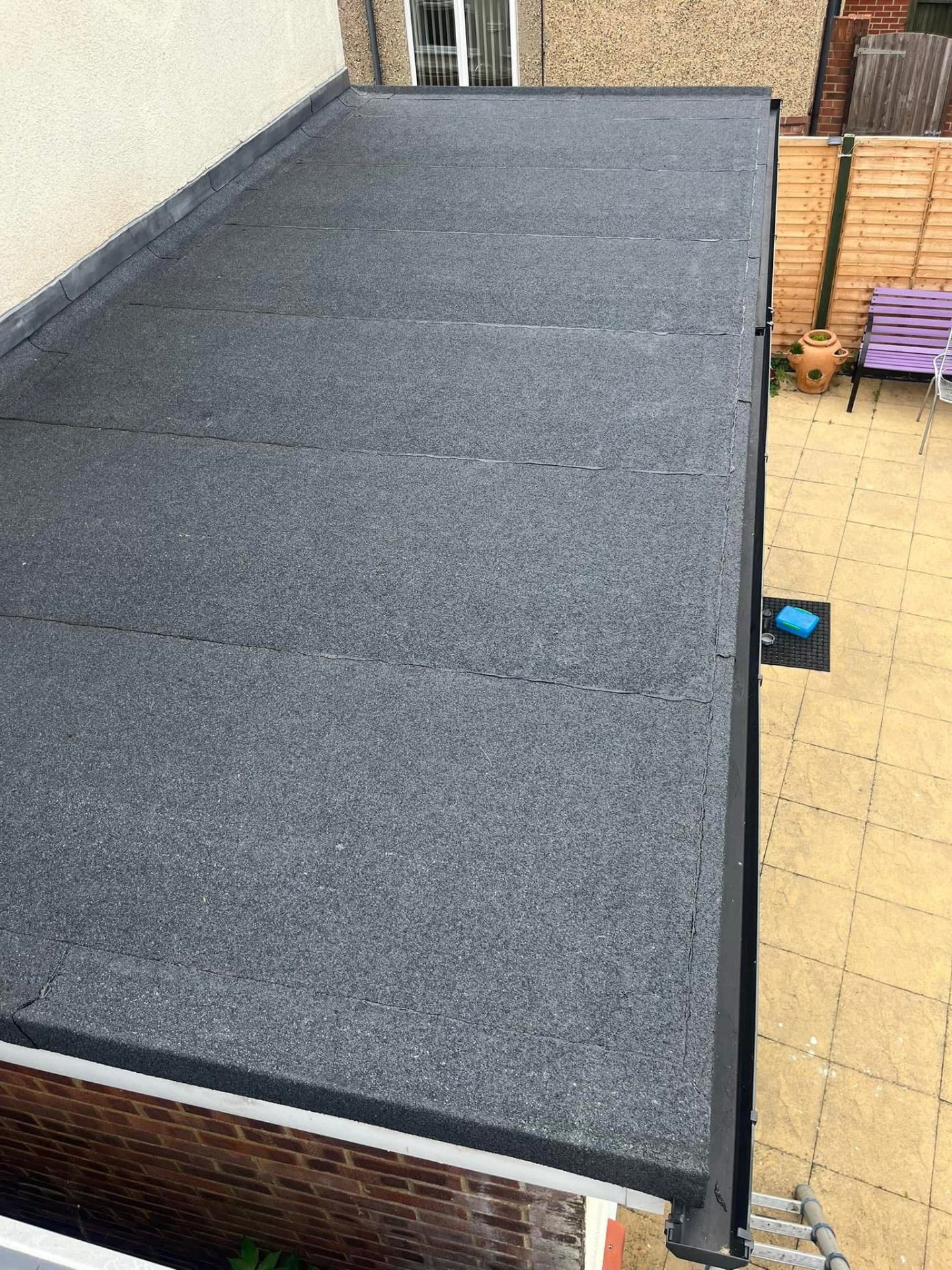
High-performance torch-on felt systems use modified bitumen membranes that are heat-welded to form a durable, waterproof covering. While not as long-lasting as EPDM or GRP, quality torch-on felt systems offer 15–20 years of reliable service at a lower cost. They're a practical option for budget-conscious projects or temporary structures where a 30-year system isn't required.
Drainage & Falls
No flat roof is truly flat — they all require a minimum fall (slope) of 1:40 to 1:80 to direct water towards outlets and gutters. Insufficient falls cause ponding — standing water that degrades the covering and adds structural load. When we install or replace a flat roof, we always check and correct falls using tapered insulation boards or firring strips.
Insulation Options
Modern flat roof installations can incorporate insulation to improve your property's thermal performance. Warm roof construction places rigid insulation boards above the deck and below the waterproof membrane, reducing heat loss and eliminating condensation risk. This is particularly beneficial for flat-roofed extensions that are used as living spaces.
Residential vs. Commercial
Residential flat roofs (garages, extensions, dormers) are typically under 30m² and best served by EPDM or GRP. Larger commercial flat roofs may require single-ply membrane systems such as Sarnafil or Sika, which are designed for areas exceeding 100m². We handle both scales of project across County Durham.
Common Questions
Frequently Asked Questions
Related Services
Areas We Cover
- Flat Roofs in Durham
- Flat Roofs in Houghton le Spring
- Flat Roofs in Chester-le-Street
- Flat Roofs in Bowburn
- Flat Roofs in Spennymoor
- Flat Roofs in Ferryhill
- Flat Roofs in Peterlee
- Flat Roofs in Coxhoe
- Flat Roofs in Lanchester
- Flat Roofs in Newton Aycliffe
- Flat Roofs in Bishop Auckland
- Flat Roofs in Sedgefield
- Flat Roofs in Shildon
- Flat Roofs in Tudhoe
- Flat Roofs in Coundon
- Flat Roofs in Leeholme
- Flat Roofs in Cornforth
- Flat Roofs in Chilton
- Flat Roofs in Trimdon
- Flat Roofs in Fishburn
Ready to Protect Your Property?
Get a free, no-obligation estimate. We'll inspect your roof, explain exactly what's needed, and give you a clear price — before any work begins.
Most enquiries answered within hours · Free estimates · No hidden costs