
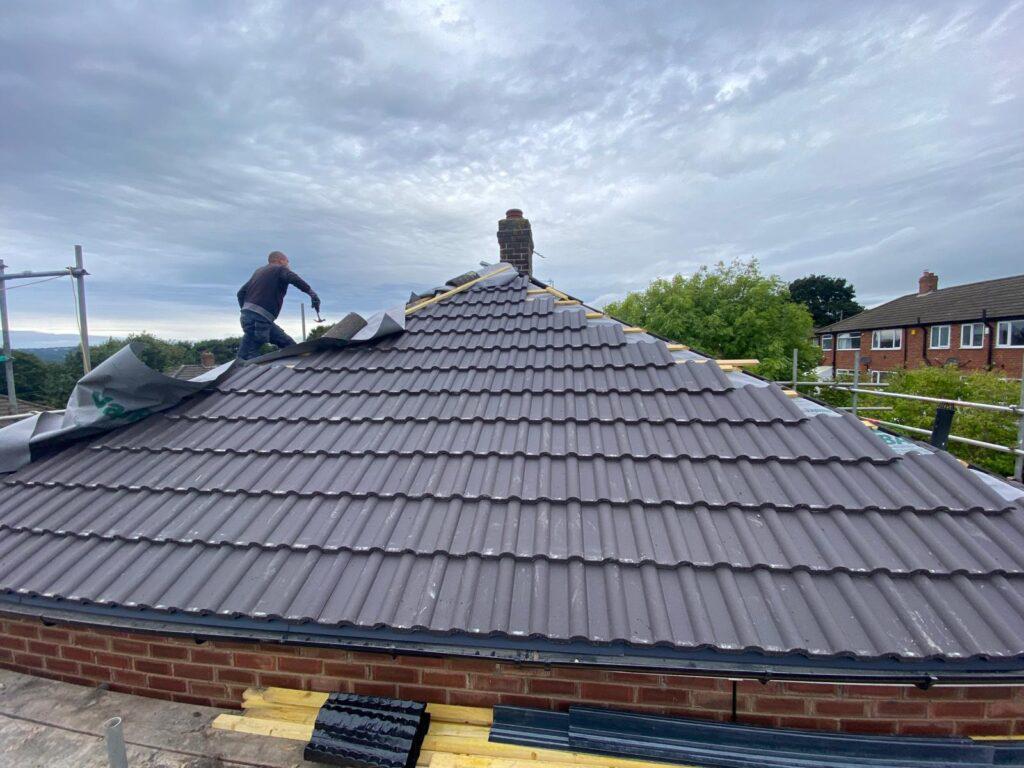
Soffit Specialists
Soffits That Protect
Your Roof From Within
Damaged soffits let moisture, birds, and insects into your roof space. We fit durable uPVC soffits that maintain airflow, keep pests out, and stay maintenance-free for decades.
★ 10+ years experience · All colours available · Fully insured · Guaranteed
Service Overview
What Soffits Do and Why They Need Replacing
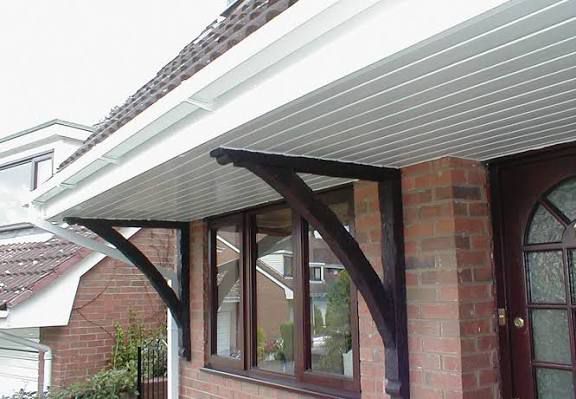
Soffits are the boards that bridge the gap between the rear edge of your fascia board and the external wall of your property. They enclose the underside of your roof overhang, protecting exposed rafter ends from weather, preventing birds and insects from entering your roof space, and — critically — providing ventilation to prevent condensation and timber rot.
On most properties built before the 2000s across County Durham, soffits are made from painted timber or thin plywood. Over time, these materials absorb moisture, swell, warp, and eventually rot. The paint coating that originally protected them breaks down under constant exposure to wind-driven rain and UV light, leaving the bare timber vulnerable.
Weather Shield Roofing replaces deteriorating timber soffits with high-quality uPVC soffit boards. uPVC soffits are rot-proof, require zero painting, and incorporate ventilation openings that maintain correct airflow through your roof space. We fit soffits in all standard widths, profiles, and colours to suit any property.
Most soffit replacements are carried out alongside fascia and gutter work as part of a complete roofline renovation. This approach is more cost-effective, uses the same scaffolding, and gives a consistent, professional finish across your entire roofline.
Why It Matters
What Happens When Soffits Fail
Rotting soffits create multiple serious problems. Gaps and holes allow rain to reach roof timbers that were never designed to be exposed to moisture. In County Durham's climate, this moisture quickly leads to wet rot in rafter ends and wall plate timbers — structural components that are expensive to repair once damage has set in.
The second issue is pest ingress. Birds — particularly starlings and sparrows — are adept at finding gaps in deteriorating soffits to nest in roof spaces. Their nesting materials block ventilation, their droppings damage insulation, and their activity can dislodge tiles from inside the roof. Wasps and bees also exploit soffit openings to establish nests.
Without adequate ventilation through the soffits, warm moist air from inside your home rises into the roof space and condenses on cold surfaces. This condensation soaks into timber, promotes fungal growth, and degrades insulation performance. Over time, inadequate ventilation can cause as much damage as a roof leak.
A common mistake is ignoring soffit damage because it's "just cosmetic." In reality, soffits are functional components with specific roles in moisture management, ventilation, and pest exclusion. Once they fail, the consequences spread quickly and expensively.
How We Work
Our Soffit Replacement Process
Roofline Assessment
We inspect your soffits around the entire property, checking for rot, pest damage, flaking paint, and ventilation adequacy. This inspection is free.
Detailed Quote
You receive an itemised quote for soffit replacement, including your choice of colour and any additional fascia or gutter work. No hidden costs.
Strip Old Soffits
Existing timber soffits are removed carefully. We inspect the wall plate and rafter ends behind them, treating or replacing any affected timbers.
Fit New uPVC Soffits
New soffit boards are cut and fitted with clean joints and proper ventilation. Vented and solid sections are positioned to achieve correct airflow rates.
Final Check & Clean-Up
We inspect the completed installation, confirm ventilation is adequate, and remove all waste from site. Your written guarantee is issued.
Your Advantages
Benefits of New uPVC Soffits
Correct Ventilation
Vented soffit boards provide the continuous airflow your roof space needs to prevent condensation, mould, and timber rot.
Complete Pest Exclusion
Tight-fitting uPVC boards seal the gaps that birds, wasps, and rodents exploit in damaged timber soffits.
Rot & Weather Proof
uPVC doesn't absorb moisture. It won't rot, warp, swell, or delaminate — regardless of how wet County Durham gets.
Zero Maintenance
No painting, no sanding, no treating. uPVC soffits stay clean with an occasional wipe-down — nothing more.
Clean, Modern Finish
New soffits transform the underside of your roofline from weathered timber to a crisp, clean, professional appearance.
20+ Year Lifespan
Quality uPVC soffit boards maintain their appearance and performance for over two decades with zero intervention.
In-Depth Guide
Soffit Types, Ventilation & Specifications
Solid Soffit Boards
Solid soffit boards are plain boards without ventilation openings. They're used in sections where additional ventilation isn't required — typically short returns, porch ceilings, and areas where ventilation is provided elsewhere (such as through tile vents or ridge vents). Solid boards give a clean, uninterrupted appearance.
Vented Soffit Boards
Vented soffits incorporate a series of small holes or slots that allow air to flow into the roof space while keeping insects and debris out. Building regulations require a minimum of 10mm continuous ventilation along at least two opposite eaves for most roof types. Vented soffit boards are the simplest way to meet this requirement. They're available in full-vent (entire board perforated) and centre-vent (ventilation strip through the middle) options.
Board Widths
Soffit widths vary depending on the depth of your roof overhang. Common widths range from 100mm for shallow overhangs to 600mm for deeper eaves. The most common widths on County Durham residential properties are 200mm and 300mm. We carry standard widths and can source wider boards for properties with deeper overhangs.
Colour & Finish Options
Soffit boards are available in the same colour range as fascia boards: white, black, anthracite grey, rosewood, golden oak, and more. White remains the most popular choice, providing a clean contrast against any wall colour. Woodgrain finishes suit period properties where a timber appearance is preferred.
Ventilation Requirements
Correct roof ventilation is essential for preventing condensation. Building regulations (Approved Document F) require a minimum of 10mm continuous ventilation at the eaves on two opposing sides for duo-pitched roofs, or 25mm for mono-pitched roofs. Where vented soffits alone don't achieve the required airflow — for example, where insulation blocks the eaves — we install over-fascia ventilation strips or eaves trays to maintain the required air path.
Combining Soffits with Fascias and Gutters
A complete roofline renovation — replacing soffits, fascias, bargeboards, and gutters together — is the most efficient and cost-effective approach. The same scaffolding serves all elements, labour costs are reduced, and the finished result is a perfectly coordinated roofline in matching colours and materials.
Common Questions
Frequently Asked Questions
Related Services
Areas We Cover
- Soffit Installation in Durham
- Soffit Installation in Houghton le Spring
- Soffit Installation in Chester-le-Street
- Soffit Installation in Bowburn
- Soffit Installation in Spennymoor
- Soffit Installation in Ferryhill
- Soffit Installation in Peterlee
- Soffit Installation in Coxhoe
- Soffit Installation in Lanchester
- Soffit Installation in Newton Aycliffe
- Soffit Installation in Bishop Auckland
- Soffit Installation in Sedgefield
- Soffit Installation in Shildon
- Soffit Installation in Tudhoe
- Soffit Installation in Coundon
- Soffit Installation in Leeholme
- Soffit Installation in Cornforth
- Soffit Installation in Chilton
- Soffit Installation in Trimdon
- Soffit Installation in Fishburn
Ready to Protect Your Property?
Get a free, no-obligation estimate. We'll inspect your roof, explain exactly what's needed, and give you a clear price — before any work begins.
Most enquiries answered within hours · Free estimates · No hidden costs